Signs and Symptoms
- Some signs and symptoms of Genital Herpes include:
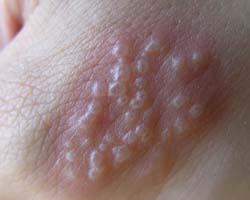
- Painful sores/ulcers
- Fever/Flu-like symptoms
- Pain in the genital area
- Painful urination
- Pressure feeling in the area below the stomach
- Itching or tingling around your genitals or your anal region
- Headaches or backaches
- While you have ulcers, it may be painful to urinate. You may also experience pain and tenderness in your genital area until the infection clears. During an initial outbreak, you may have flu-like signs and symptoms, such as headache, muscle aches and fever, as well as swollen lymph nodes in your groin.

Prevention
- The best way to prevent genital herpes is through abstinence, which means to refrain from sex.
- Talk with your partner about STIs before beginning a sexual relationship.
- Only have one sexual parter at a time
- Refrain from sex if you show symptoms
- Vaccines
- Wear a condom for prevention of spreading
- Although there is no cure for genital herpes, your healthcare provider might prescribe an antiviral medicine to treat your symptoms and to help prevent future outbreaks. This can decrease the risk of passing herpes to sexual partners.
Treatments
- While you may not be able to completely cure genital herpes, treatment with antiviral drugs can help people who are bothered by genital herpes outbreaks stay symptom-free longer. These drugs can also reduce the severity and duration of symptoms when they do flare up
- Many people find that antibiotic medicines help get rid of this disease and its symptoms. These include creams, ointments, and other perscriptions.
